> For the complete documentation index, see [llms.txt](https://docs.jigx.com/llms.txt). Markdown versions of documentation pages are available by appending `.md` to page URLs; this page is available as [Markdown](https://docs.jigx.com/examples/readme/expressions/functional-programming.md).
# Functional Programming
You can use [JSONata Functional programming](https://docs.jsonata.org/programming) to compare values or display data based on certain conditions. You can quickly make any logical statements, and based on the result, you can perform different actions.
## Configuration
Result
Expression
Determine if the value is bigger or smaller than a certain number
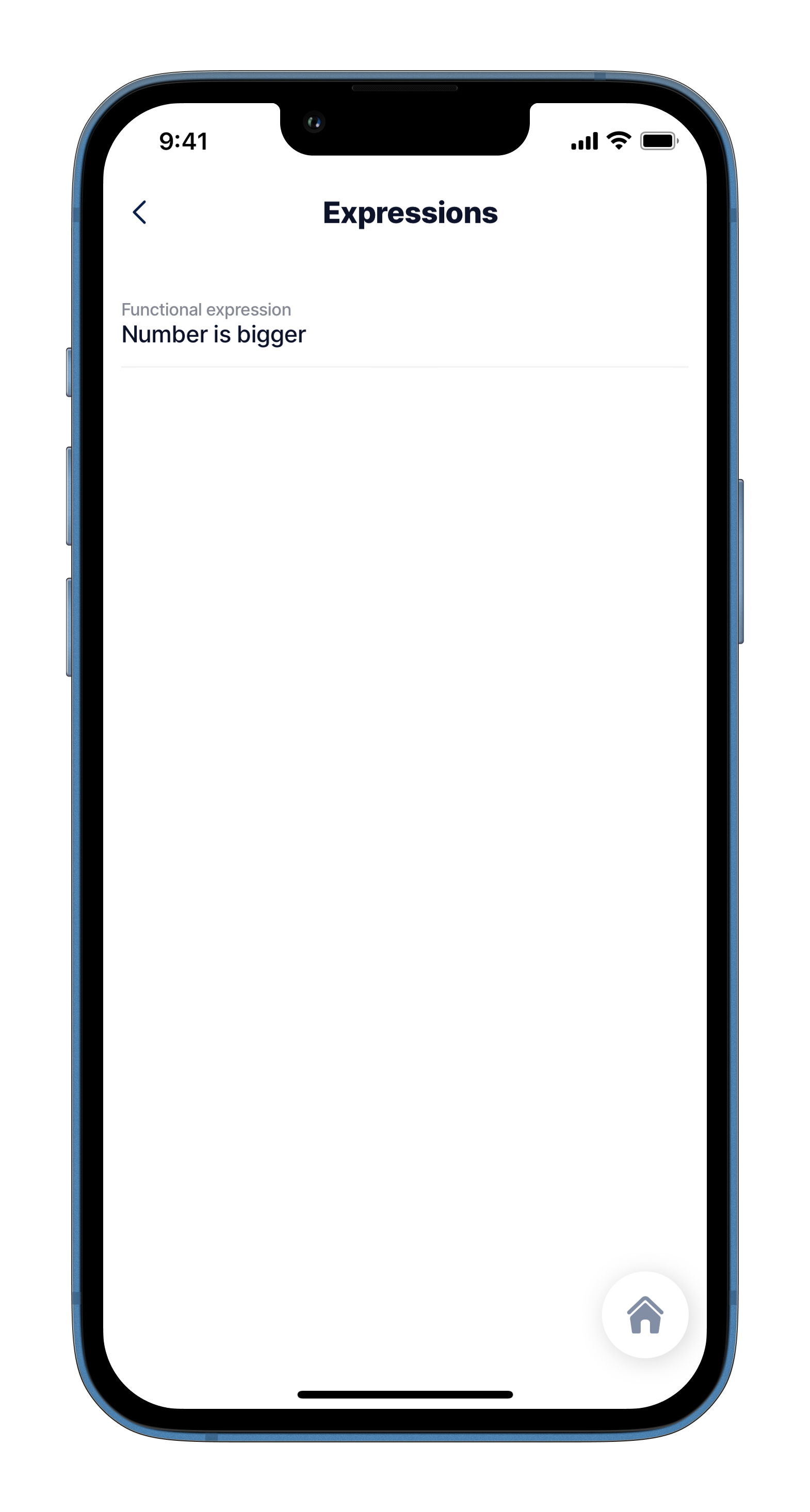
"=@ctx.datasources.mydata.number2 > 10 ? 'Number is bigger':'Number is lower'"
{% hint style="warning" %}
Be careful when using complex expressions, such as expressions that iterate one datasource across another, as your solution performance could become slower. To avoid this, try to use the datasource queries to get the desired result rather than an expression.
{% endhint %}
## Examples and code snippets
## Compare values
{% columns %}
{% column %}
Functional expressions
{% endcolumn %}
{% column %}
In this example we determine if the value for `entity.field` is bigger or smaller that 10.
See the full code sample in [GitHub](https://github.com/jigx-com/jigx-samples/blob/main/quickstart/jigx-samples/jigs/guide-expressions/static-data/expression.jigx)
{% endcolumn %}
{% endcolumns %}
{% code title=" expression.jigx" %}
```yaml
datasources:
mydata:
type: datasource.static
options:
data:
- name: Jane Stevens
title: Doctor
email: jane@first.com
number: 0.64734
number2: 12
color: blue
time: '2021-11-07T15:07:54.972Z'
array: [5,1,2,3,7,9]
children:
- type: component.entity
options:
children:
- type: component.entity-field
options:
label: Functional expression
value: "=@ctx.datasources.mydata.number2 > 10
? 'Number is bigger':'Number is lower'"
```
{% endcode %}
## Variables in content
{% columns %}
{% column %}
Content
{% endcolumn %}
{% column %}
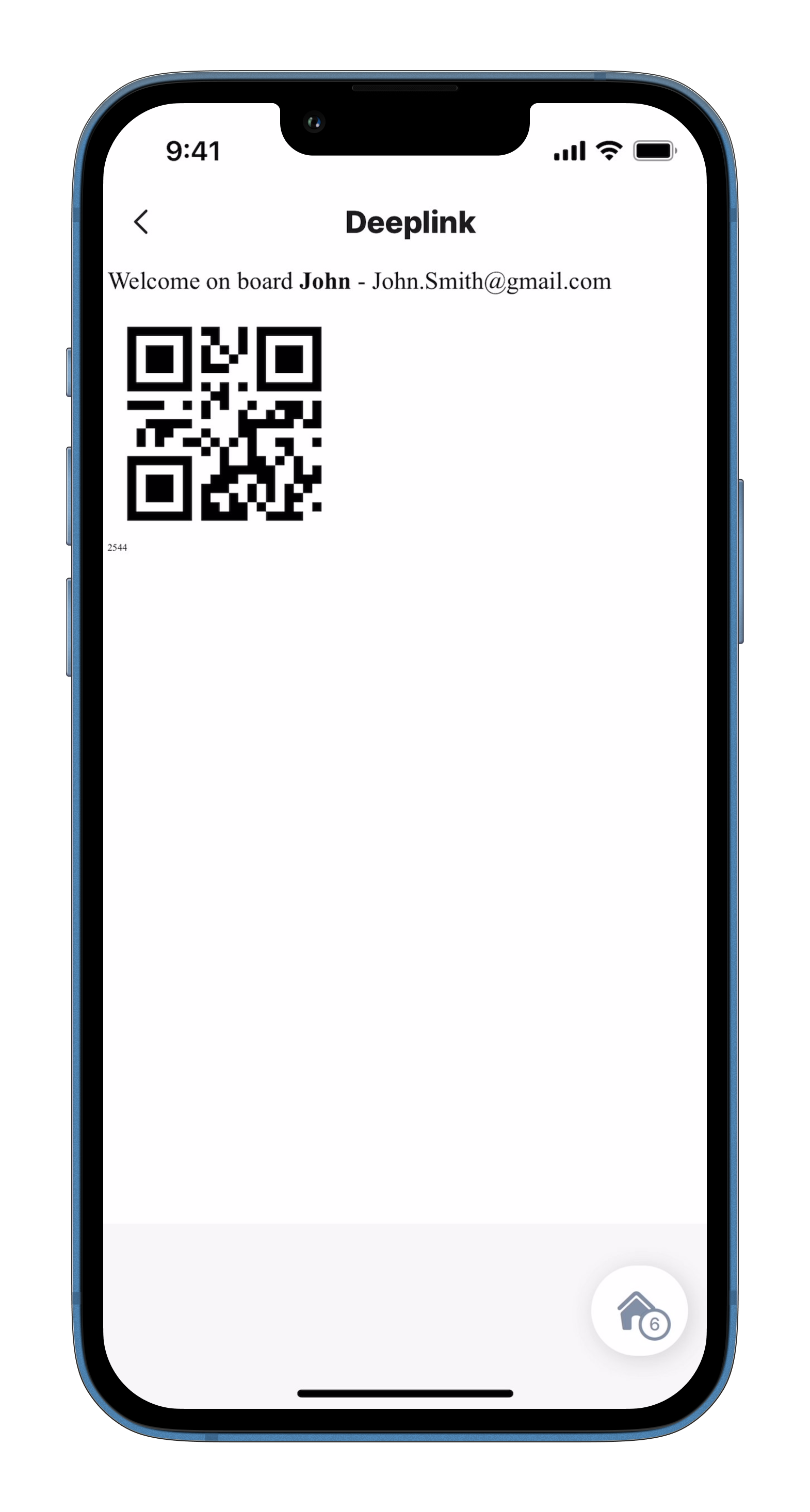
This example shows how to write variables in HTML content.
See the full code sample in [GitHub](https://github.com/jigx-com/jigx-samples/blob/main/quickstart/jigx-samples/jigs/guide-expressions/static-data/variablesInContent.jigx).
{% endcolumn %}
{% endcolumns %}
{% code title="variablesInContent.jigx" %}
```yaml
source:
documentType: HTML
content: |
="
" & @ctx.datasources.html.itemId
```
{% endcode %}
## Multiple select in a dropdown
{% columns %}
{% column %}
Multiple selector expression
{% endcolumn %}
{% column %}
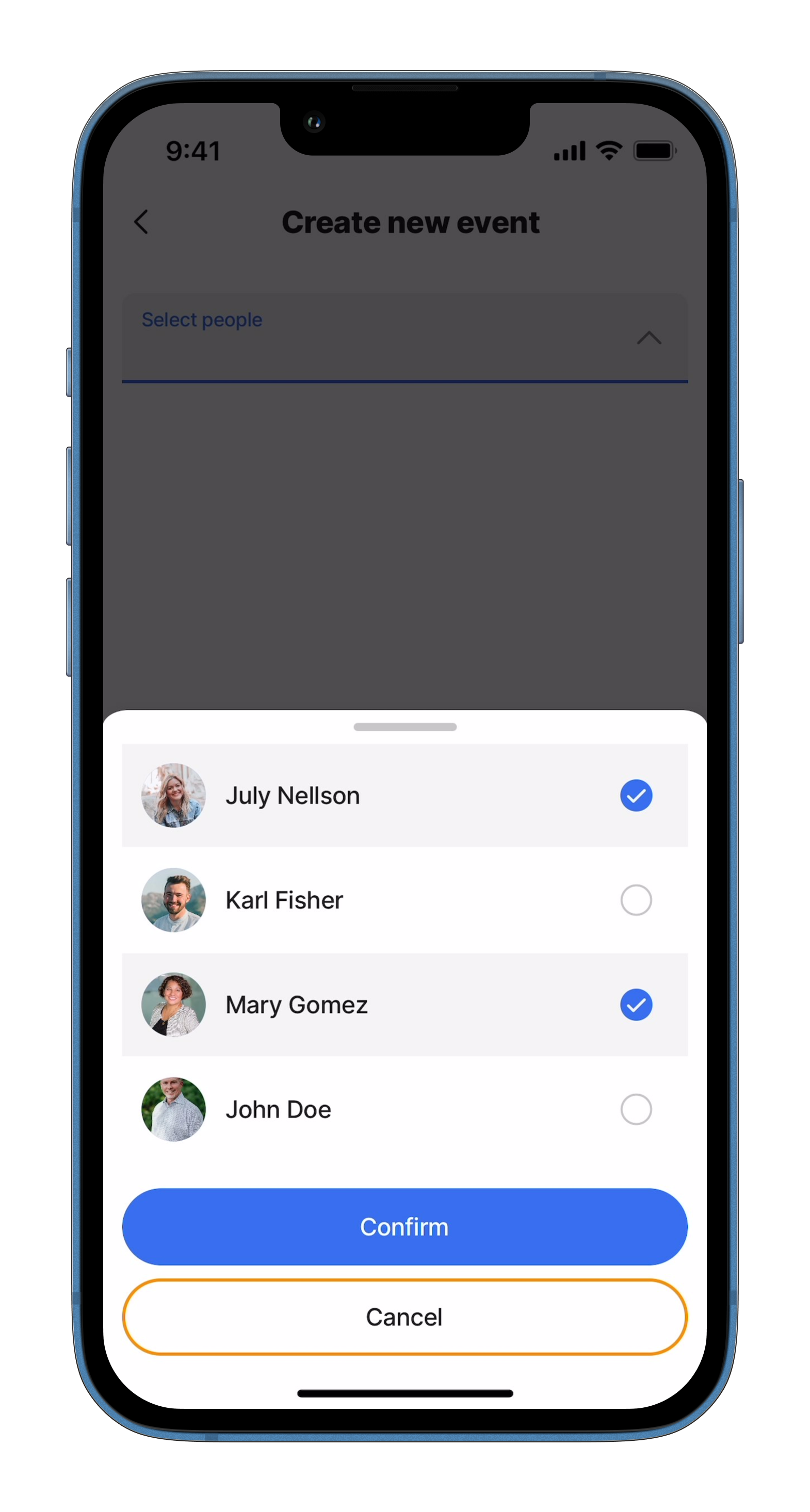
In this example, we use the notation in which we select the instanceId of our component from the components, and extract the selected from the state of the component, then choose the required value. For example id, name,...
See the full code sample in [GitHub](https://github.com/jigx-com/jigx-samples/blob/main/quickstart/jigx-samples/jigs/guide-expressions/static-data/multipleSelect.jigx).
{% endcolumn %}
{% endcolumns %}
{% code title=" multipleSelect.jigx" %}
```yaml
children:
- type: component.form
instanceId: selected-people-form
options:
children:
- type: component.dropdown
instanceId: selected-people-dropdown
options:
label: Select people
data: =@ctx.datasources.employees-static
isMultiple: true
item:
type: component.dropdown-item
options:
title: =@ctx.current.item.firstname & ' ' & @ctx.current.item.lastname
value: =@ctx.current.item.id
leftElement:
element: avatar
text: =$substring(@ctx.current.item.firstname, 0, 1) & $substring(@ctx.current.item.lastname, 0, 1)
uri: =@ctx.current.item.img
```
{% endcode %}
---
# Agent Instructions
This documentation is published with GitBook. GitBook is the documentation platform designed so that both humans and AI agents can read, navigate, and reason over technical content effectively. Learn more at gitbook.com.
## Querying This Documentation
If you need additional information that is not directly available in this page, you can query the documentation by asking a question.
Perform an HTTP GET request on the following URL with the `ask` and `goal` query parameters:
```
GET https://docs.jigx.com/examples/readme/expressions/functional-programming.md?ask=&goal=
```
`ask` is the immediate question: it should be specific, self-contained, and written in natural language.
`goal` is what the user is ultimately trying to achieve, the reason they need the answer. Sharing it helps GitBook give you a better, more relevant answer. A goal is most helpful when it describes the outcome the user wants rather than restating the question. For example, with `ask=how do I create an API token`, a goal like `automate deployments from our CI pipeline` lets GitBook tailor the answer to that use case.
The response will contain a direct answer to the question and relevant excerpts and sources from the documentation.
Use this mechanism when the answer is not explicitly present in the current page, you need clarification or additional context, or you want to retrieve related documentation sections.